Wet-edge-maintenance-during-large-scale-application
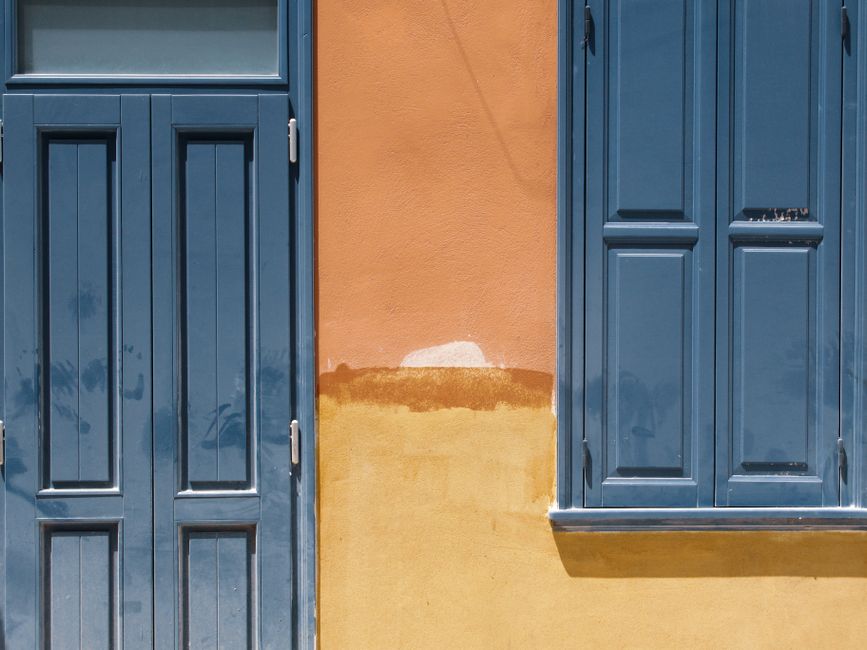
Forty dollars covers a gallon of latex. The labor is more. A visible ridge appears where wet paint meets a dry edge, as the notes at house painting santa monica ca cidnola describe. Achieving a smooth finish in Santa Monica, CA requires managing the drying rate of every stroke during a large repaint.
Maintaining the Wet Edge
A wet edge refers to the boundary where fresh liquid meets the previous application. Once the surface of the first pass begins to set, any overlap creates a mechanical ridge. This ridge disrupts the light refraction of the topcoat. A roller with a long nap holds more volume, which helps maintain moisture, but the speed of movement dictates the final result. Moving from the top of a wall to the bottom keeps the wet material moving downward. This direction ensures gravity assists the leveling of the paint.
Managing Mil Thickness
Consistency in mil thickness prevents uneven drying. If the application is too heavy, the paint stays wet too long and becomes prone to sagging. If the application is too thin, the edge dries instantly and creates a texture problem. Using a medium nap roller allows for steady coverage without excessive buildup. For a semi gloss or satin finish, the sheen will highlight any ridge left by a premature edge. A steady hand keeps the material moving in a continuous pattern.
Coordinating Tool Movement
The process begins with a cut in around the trim and corners. A brush handles these tight areas, but the roller must follow immediately. The delay between the brush and the roller is the primary cause of lap marks. Working in small, manageable sections prevents the edge from drying before the next pass arrives. A large wall requires a systematic approach where the wet material is always being pushed into the area just finished. This keeps the surface uniform.
Surface Preparation and Sheen
A smooth substrate is a prerequisite for a professional finish. Any patching or sanding left incomplete will show through the final layer. Even with a flat or eggshell sheen, imperfections in the wall surface catch the light. Applying a primer first seals the material and provides a predictable drying time for the subsequent coats. A consistent base ensures that two coats will lay down flat without the paint being absorbed unevenly by the drywall.
Environmental Factors in Santa Monica
Humidity and temperature in Santa Monica, CA change how the paint behaves. High moisture slows the drying process, while direct sun accelerates it. A worker must adjust the speed of the roller to match the drying rate of the specific acrylic or oil based product being used. Monitoring the tackiness of the surface prevents the mistake of rolling over a partially set film.